A Guide to the Eviction Process in Pennsylvania
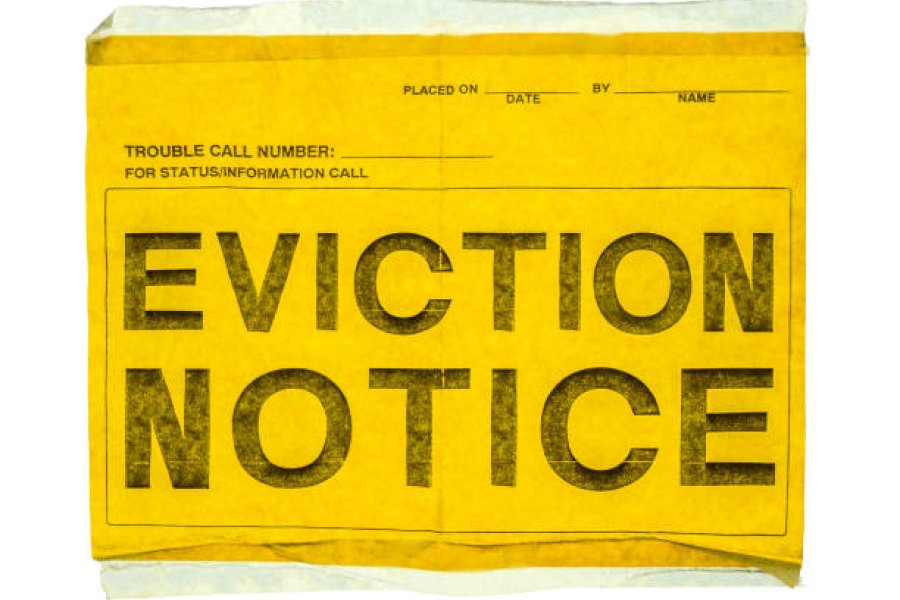
Key Takeaways:
- Review the lease, payment history, notices, and supporting records before starting an eviction so you can identify the appropriate course of action.
- Use the notice period and service requirements that apply to the specific lease and reason for termination rather than relying on a generic notice.
- Keep detailed documentation throughout the process, including copies of notices, proof of service, payment records, lease documents, and court paperwork.
- Avoid self-help measures such as changing locks or shutting off utilities, and allow the legal process to determine when possession can be recovered.
- Consider professional eviction coordination when you want help managing notices, paperwork, court communications, and the administrative demands of the process.
While most rental relationships run smoothly, there are situations where legal action is necessary to protect your investment and enforce lease terms.
Understanding the required legal procedures is critical to completing the Pennsylvania eviction process properly and efficiently. Following the correct steps helps avoid delays, legal setbacks, and unnecessary costs.
Premier Property Management & Realty LLC created this article to help property owners understand the legal steps involved in regaining possession of a rental unit.
Following proper procedures is critical, as even small mistakes in notices or court filings can result in delays or dismissal of the case.
These errors often complicate the eviction process and can significantly increase costs for landlords, making accuracy and compliance essential from start to finish.
Contact Us Today!
Notice for Lease Termination with Legal Cause: How to Evict a Tenant Legally
A Pennsylvania landlord can evict a renter for various reasons. Such reasons include:
- Failure to pay rent on time.
- Damage to the property.
- Violating the terms of the lease agreement.
- Engaging in illegal drug activity on the premises.
- The expiration of the lease term.

In the event of damage to your property, you can use part or all of the security deposit to pay for repairs.
The legal eviction process in Pennsylvania begins with written notice and, if the tenant does not comply, proceeds to a court hearing.
The type of eviction notice used is determined by the reason for the termination. Notices may be served personally, by mail, or by posting them on the premises. Generally, there are three types of eviction notices given in Pennsylvania :
- 10-Day Notice to Quit: This is used for nonpayment of rent or use of illegal drugs. It gives the tenant 10 days to pay the full amount or move out. In the case of drug use, the tenant’s only option is to vacate within ten days.
- 10-Day Notice to Quit for Illegal Drugs: This notice is used specifically for documented illegal drug activity on the property.
- 15-Day or 30-Day Notice to Quit: For lease violations, the notice period depends on the length of the lease. If the lease is for one year or less, a 15-day notice is required. If the lease is for more than a year, a 30-day notice must be provided.
Under the Landlord-Tenant act, notice must be given or else the eviction is illegal. Notice sent by certified mail must also include a return receipt signed by the tenant to confirm it was actually delivered, otherwise it is invalid.
Once the notice period expires, the landlord files a landlord tenant complaint in the magisterial district court to begin eviction proceedings.
How to Evict a Tenant Legally Without Cause
When serving a tenant with an eviction notice in Pennsylvania without a cause, procedures for terminating a lease or rental agreement depend on the length of the tenancy. Knowing how much notice to give is important.
If it's a monthly lease, the landlord-tenant laws in Pennsylvania require you give the tenant a 15-day notice to end their tenancy under residential leases.

However, if the term of the lease is fixed, Pennsylvania law states you must wait until the lease period is over to end the tenancy. Both notices must inform the renter that you won't be renewing their lease for another term.
In cases where the lease term is for more than one year and there is no cause for eviction, the notice period increases to 30 days.
Tenant Eviction Defenses in Pennsylvania
A tenant may claim the following defense:
- The landlord used "self-help" methods, such as changing the locks or shutting off utilities without notice.
- The landlord failed to maintain the property in a safe and habitable condition .
- The eviction is in retaliation for the tenant complaining about code violations.
- The landlord accepted a partial rent payment after filing the notice.
- The notice provided was technically incorrect or not served properly.
Click for Pricing Information.
Attending Court Hearings
Pennsylvania landlord-tenant law requires both the landlord and tenant to attend the eviction hearing as part of the formal court process. The hearing is usually scheduled within 7 to 15 days after the complaint is filed, and the initial hearing is typically set 7 to 10 days after the summons issues.
At the hearing, a magisterial district judge hears the eviction case, and both sides may present evidence and defenses before the court rules. If the tenant loses the eviction lawsuit, possession granted can be separate from any money judgment for unpaid rent or other money owed. A judgment for possession is generally issued within three days after the hearing.
An order to move will be enforced if no payment or settlement is received. Should the tenant win, then they will remain on the premises as Pennsylvania law dictates. Tenant appeals must generally be filed within 10 days after the judgment is issued, beginning the appeal process in the court of common pleas.

If a renter fails to show up for a court summon, they will lose their case, even if they have provided a valid defense. If a renter wins their case, they also may sue the landlord for damages and court costs.
Order for Possession
If the tenant continues to occupy the premises in question 10 days after the judgment was entered, and the landlord wins, then the landlord requests an Order for Possession before the eviction can proceed. Once filed, the document must be signed by the judge to be valid.
The court may delegate the eviction to the Sheriff's department or a Constable. The landlord is required to select a date when the officer is available, which becomes the scheduled eviction date and is usually a 1 to 2 week wait depending on the local court schedule.
If the tenant has not vacated, the sheriff or constable may execute the eviction on the 11th day after service, making it important to know the eviction date.Unlike in other states, landlords in Pennsylvania are not strictly required by the Landlord-Tenant Act to store a tenant's abandoned property for a long period if the eviction was handled through the court. A landlord cannot landlord evict a tenant from a rental property without going through court proceedings under Pennsylvania's landlord-tenant laws.
After the court issues an Order for Possession, a Sheriff, Constable or Sheriff's deputy will enforce it, allowing the landlord to regain access and remove the tenant's personal property.
Once possession is restored, the landlord should promptly secure the property by changing the locks. If the tenant leaves belongings behind, the landlord should follow written notice requirements before disposal.
This step helps prevent unauthorized re-entry and ensures the premises remain protected after the eviction process is completed. It also reflects landlord obligations to avoid unlawful self-help and follow the court-ordered process.

However, it is common practice to give the former tenant notice in writing and a short opportunity to recover any possessions left behind. If no contact is made, the landlord can generally dispose of the tenant's belongings that have been left behind.
Bottom Line
The eviction process in Pennsylvania follows strict legal timelines, beginning with the Notice to Quit and potentially ending with the physical removal of a tenant.
Landlords must provide the correct notice period, which depends on the reason for eviction and the terms of the lease agreement.
Every step must be handled precisely. Missing deadlines, using incorrect notice, or failing to appear in court can cause delays, added costs, or even dismissal of the case.
Premier Property Management & Realty LLC assists landlords by managing the full process, from preparing legal notices to representing their interests during tenant transitions.
We ensure strict compliance with local rental laws, helping reduce legal risk, delays, and stress while protecting your investment.
Our experienced team handles each step efficiently and professionally so you can stay focused on maximizing your rental returns. Contact us today to learn more about our comprehensive property management services and support.
Contact Us Today!
Frequently Asked Questions About The Eviction Process In Pennsylvania
How Can Landlords Prepare Their Rental Business For Potential Legal Disputes?
Landlords can prepare by maintaining organized financial, lease, property, and communication records throughout the tenancy rather than trying to reconstruct information later.
It can also help to establish consistent procedures for documenting property issues, responding to lease-related concerns, and preserving important correspondence.
Owners should periodically review their management practices with qualified professionals to identify areas that may need attention. A proactive approach can make it easier to respond when a dispute arises while helping owners maintain more consistent records across their rental properties.
Should Landlords Review Their Lease Agreements Regularly?
Yes. Lease agreements should be reviewed periodically to ensure that the terms remain appropriate for the property and the owner's current management practices, including the written lease or rental agreement and whether tenants are following the proper rules set out in it.
Changes in Pennsylvania requirements, business practices, or the way a property is operated may create a reason to revisit lease language. Periodic review can also help owners address issues like unauthorized occupants, allowing unauthorized persons to stay at the property, or other lease violations before they escalate. Landlords should avoid making significant changes without understanding how those changes interact with existing agreements.
A qualified Pennsylvania attorney can review lease documents and help owners understand applicable legal requirements without relying on outdated forms or assumptions, and owners may want to seek legal advice before revising lease language or enforcing disputed provisions.
How Should Investors Budget For Potential Eviction-Related Expenses?
Investors can account for potential legal and administrative expenses as part of their broader property operating budget.
Depending on the circumstances, costs may include professional assistance, filing fees, property repairs, cleaning, security measures, or other expenses associated with preparing the property for its next use.
The actual cost can vary considerably from one situation to another, so owners should avoid assuming that every case will have the same financial impact. Maintaining adequate reserves can help investors manage unexpected expenses without disrupting their broader investment plans.
When Should A Landlord Consult A Pennsylvania Attorney?
A landlord should consider consulting a qualified Pennsylvania attorney when there is uncertainty about lease interpretation, notice requirements, documentation, service procedures, or other legal issues.
Legal guidance can be particularly valuable when the circumstances are disputed or the owner is considering an action that could have significant financial or legal consequences.
Property managers can assist with administrative and operational responsibilities, but they should not be treated as a substitute for legal counsel when a matter requires legal advice. Early professional guidance may also help owners identify potential issues before proceeding.
How Can Property Managers Help Landlords Stay Organized?
A property manager can help owners establish consistent administrative practices around leasing, rent collection, maintenance coordination, documentation, and owner communication. This can be especially useful for investors managing multiple responsibilities or properties.
Professional management does not eliminate the need for owners to understand their obligations, but it can provide operational support and help keep property records organized.
Before hiring a management company, owners should review the services offered, responsibilities assigned to each party, and circumstances in which outside legal or professional assistance may be needed.
What Should Investors Consider When Evaluating The Financial Impact Of A Dispute?
Investors should look beyond immediate expenses and consider how a dispute could affect the property's broader operating plan.
Potential considerations include professional fees, repairs, administrative expenses, carrying costs, and the work required to prepare the property for its next leasing opportunity.
The financial impact will depend on the specific circumstances and property, including overdue rent, missed rent payments, or criminal activity failure, a lease violation, or other cases where a tenant violates terms; clear records can also show when a tenant fails to comply with the lease agreement and support decisions about costs more effectively.
Keeping accurate operating records can help owners evaluate these costs more effectively. Investors may also want to discuss their assumptions with their property manager, accountant, or other qualified professional when making financial decisions.
Disclaimer: Please note that the information provided in this blog is intended for general guidance and should not be considered as a replacement for professional legal advice from a qualified attorney. It is important to be aware that laws pertaining to property management may change, rendering this information outdated by the time you read it.