How to Maintain Your Rental Property
- Start With a Complete Property Record
- Maintain the Property on Three Timelines
- Give Water Problems the Highest Priority
- Sort Repair Requests by Consequence
- Prepare Before Major Storms Arrives
- Build a Reliable Vendor System
- Make Residents Part of Early Detection
- Use Turnovers to Reset the Property
- Track Spending and Legal Compliance
- Bottom Line
- Preventive maintenance helps reduce expensive repairs and extends the life of your rental property.
- Keep detailed records of inspections, repairs, warranties, and major systems to make informed maintenance decisions.
- Prioritize maintenance requests based on urgency, addressing water damage and safety hazards as quickly as possible.
- Build relationships with reliable contractors and encourage tenants to report maintenance issues early.
- Regular inspections and planned maintenance help protect your property's value, improve tenant satisfaction, and reduce turnover.
Rental maintenance works best when managed as a system rather than a series of emergencies. A dependable property requires scheduled inspections, clear reporting procedures, qualified vendors, and informed repair decisions.
Environmental exposure, everyday wear, and delayed repairs can accelerate deterioration. A minor leak or failed exterior seal may become a much larger problem if left unnoticed.
Good maintenance is not simply an expense. It protects rental income, supports renewals, shortens turnovers, and preserves long-term property value.
Premier Property Management & Realty put together this article to give property owners and landlords a clear guide for how to maintain their rental properties.
Find Out How We Can Help!
Start With a Complete Property Record
Owners cannot plan effectively without knowing what they maintain.
Create a record of the property’s major systems, including the roof, HVAC equipment, water heater, appliances, plumbing, electrical panel, flooring, exterior finishes, and safety devices. Record model numbers, installation dates, warranties, service history, and expected replacement periods.
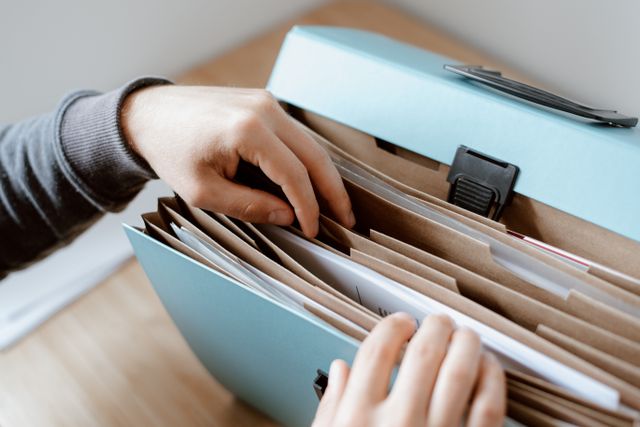
This information improves repair decisions. If a 13-year-old air conditioner needs another expensive component, its age and previous service calls may support replacement. If the system is relatively new and covered by warranty, repair may be the better option.
Keep photographs of the property’s condition as well. Images taken at move-in, inspections , repairs, and move-out provide a useful timeline and help distinguish gradual wear from sudden damage.
Maintain the Property on Three Timelines
Organize maintenance around seasons, usage, and equipment age.
Seasonal work may include servicing cooling equipment and inspecting drainage in spring, followed by storm preparation later in the year.
Usage-based tasks, such as replacing HVAC filters, maintaining landscaping, and checking common areas, may require more frequent attention.
Long-term planning should anticipate when roofs, water heaters, appliances, and exterior finishes will need replacement. Estimating these costs helps owners build reserves for predictable expenses.
Give Water Problems the Highest Priority
Uncontrolled moisture can damage a property quickly and quietly.
Inspect plumbing connections, caulking, roofs, gutters, windows, crawl spaces, drainage, and water heaters. Watch for stains, musty odors, soft wood, peeling paint, or unusual water use.
A ceiling stain may come from a leaking supply line, toilet seal, or shower enclosure. Fixing the source protects the structure and indoor air quality.
Address leaks promptly and dry affected materials completely to help prevent mold growth.
Sort Repair Requests by Consequence
Every maintenance request deserves a response, but not every problem carries the same level of risk.
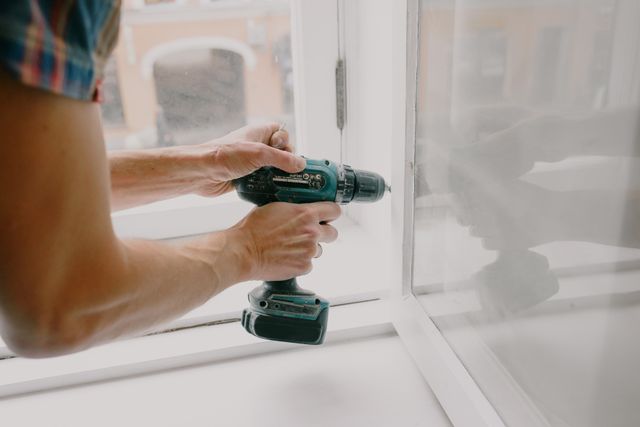
Create categories that help determine what happens next:
- Emergency: fire, flooding, electrical hazards, gas odors, major security failures, or dangerous loss of essential services.
- Urgent: active leaks, refrigeration failure, plumbing backups, or problems likely to cause additional damage.
- Routine: loose hardware, minor appliance issues, damaged screens, or cosmetic repairs.
- Planned: replacements and improvements that can be scheduled around budgets or turnovers.
A triage system prevents a broken cabinet handle from competing with an active ceiling leak. It also gives residents realistic expectations about response times.
After a repair, confirm that the problem was resolved. Repeated work orders for the same fixture often indicate that the underlying cause was missed.
Ready to Simplify Property Management?
Prepare Before Major Storms Arrives
Storm preparation should begin well before hazardous conditions threaten the property.
Create a detailed checklist covering gutters, drains, trees, roofing, shutters, outdoor furniture, emergency contacts, and tenant communication. Confirm vendor availability and inspection procedures before access becomes restricted.
Property owners should prepare ahead of hurricane season. After a major storm, inspect for roof damage, water intrusion, fallen branches, and other hidden problems.
Take dated photographs and keep insurance information, vendor contacts, warranties, and property records accessible away from the rental.
Build a Reliable Vendor System
Waiting until a pipe bursts is a poor time to search for a plumber.
Establish relationships with qualified contractors before emergencies occur. At minimum, owners may need dependable contacts for HVAC, plumbing, electrical work, roofing, pest control, landscaping, cleaning, and general repairs.

Evaluate more than the hourly rate. A low-priced contractor who misses appointments, fails to communicate, or returns repeatedly may cost more through tenant inconvenience and extended downtime.
Provide vendors with written work orders that include the problem, property address, access instructions, spending authorization, and documentation requirements. Request invoices that separate labor and materials and describe what was repaired.
Make Residents Part of Early Detection
Tenants see the property more often than the owner or manager. Give them an easy way to report dripping faucets, unusual sounds, pest activity, damaged seals, slow drains, or changes in HVAC performance.
The lease agreement and move-in orientation should explain:
- How to submit routine and emergency requests.
- Which conditions require immediate reporting.
- Basic responsibilities for cleanliness and proper equipment use.
- Whether residents must replace filters or perform other minor tasks.
- Why unauthorized repairs are not permitted.
Avoid blaming residents simply because they reported a problem. If tenants fear being charged for every concern, they may delay reporting until the damage becomes severe.
Use Turnovers to Reset the Property
A vacant period offers full access that may be difficult during an occupied tenancy.
Test appliances, outlets, locks, detectors, plumbing fixtures, ventilation, and HVAC operation. Inspect beneath sinks, behind appliances, inside cabinets, and around doors and windows. Clean gutters, address pest entry points, and complete all necessary repairs before cosmetic work begins.
Follow a consistent standard rather than upgrading impulsively. Safety, habitability, function, cleanliness, and upgrades that improve marketability should guide the scope.
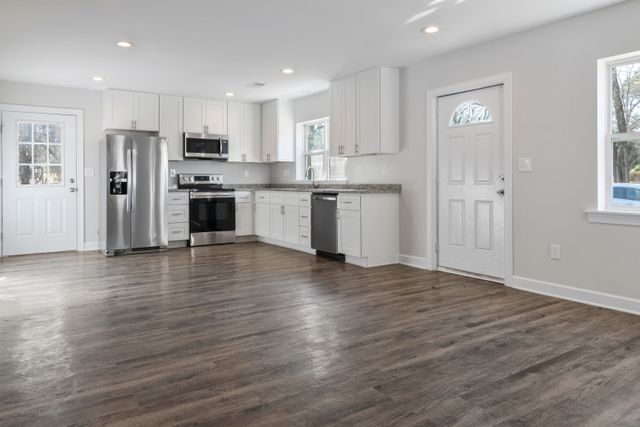
A new coat of paint will not compensate for a recurring leak or unreliable cooling system. Correcting operational problems first creates a better resident experience and reduces post-move-in service calls.
Track Spending and Legal Compliance
Track repair costs, repeat problems, emergency calls, completion times, and turnover delays to identify where maintenance spending is increasing. Accurate records can also reveal when replacement is more cost-effective than another repair.
Landlords must be compliant with health and safety codes, complete necessary repairs, maintain habitable properties, and keep common areas reasonably safe.
Local rules and lease terms may create additional responsibilities. Documenting inspections and completed work helps demonstrate that maintenance concerns were handled responsibly.
Bottom Line
Maintaining a rental property is about staying proactive, not reactive. Regular inspections, timely repairs, accurate records, and preventive maintenance all help protect your investment while creating a better experience for tenants.
If you'd rather leave the day-to-day maintenance coordination to the experts, a professional property management company can help keep your property in excellent condition year-round.