Rent vs Sell in Montgomery County: How to Choose in 2026

- Which Kind of Owner Are You?
- The Case for Renting
- The Case for Selling
- Calculate Your Potential Rental Income
- Calculate Your Potential Sale Proceeds
- Montgomery County Market Considerations
- Review Tax and Legal Considerations
- Check Your Mortgage and Insurance
- A Simple Decision Framework
- Bottom Line
- Frequently Asked Questions About Renting Out or Selling Your House in Montgomery County
- Compare realistic rental income with mortgage payments, maintenance, insurance, vacancy and management costs to evaluate your property's earning potential.
- Review HOA restrictions and municipal rental requirements before converting your home into a rental.
- Account for property condition and future capital expenses, particularly in older Montgomery County homes.
- Consider professional management if you are relocating or lack time for daily rental responsibilities.
Key Takeaways
- Compare realistic rental income with mortgage payments, maintenance, insurance, vacancy and management costs to evaluate your property's earning potential.
- Review HOA restrictions and municipal rental requirements before converting your home into a rental.
- Account for property condition and future capital expenses, particularly in older Montgomery County homes.
- Consider professional management if you are relocating or lack time for daily rental responsibilities.
Deciding what to do with a home you no longer plan to occupy is a major financial decision. Whether you are relocating, downsizing or settling an estate, you generally have two options: sell the property or keep it as a rental.
This guide from Premier Property Management & Realty explains how to compare these options in 2026 for owners in Montgomery County and the surrounding Delaware, Chester and Philadelphia County areas.
Find Out How We Can Help!
Which Kind of Owner Are You?
Your circumstances can help determine which option makes the most sense.
- Relocating owner: Living far away can make self-managing a rental difficult.
- Upsizing or downsizing owner: Selling may provide equity for your next home.
- Low-rate owner: Keeping a mortgage below current market rates may make renting attractive.
- Inheriting owner: Consider the property's condition, tax implications and your long-term goals.
- Investor-minded owner: Renting may offer long-term value if you are comfortable with landlord responsibilities.
The Case for Renting
Keeping your home as a rental allows you to retain ownership while potentially generating income and building equity.
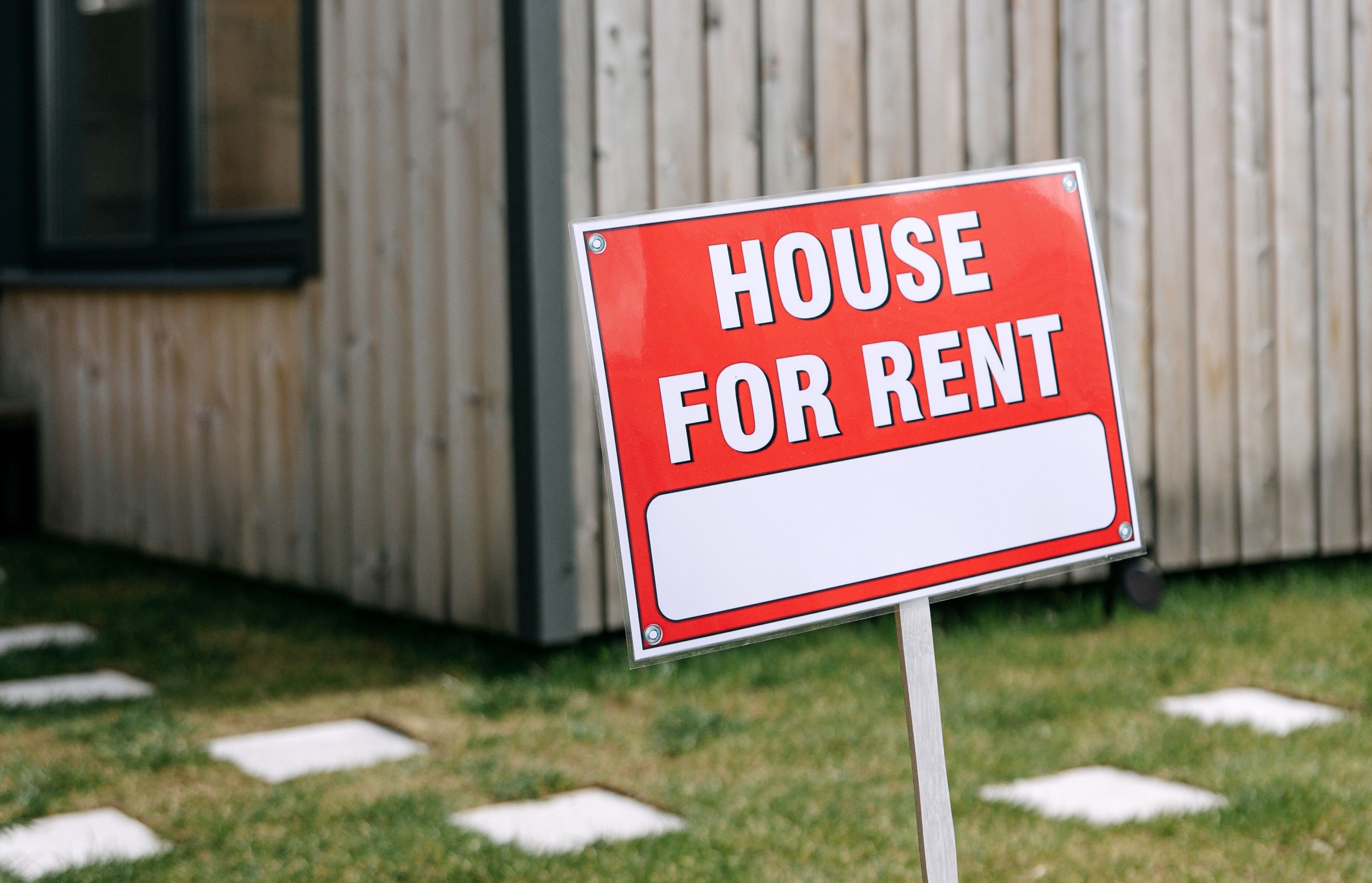
- Preserve favorable financing: Keep a mortgage rate that may be difficult to replace.
- Generate income: Rent can help cover mortgage payments, taxes, insurance and maintenance.
- Build equity: Rental income can contribute toward paying down your mortgage.
- Retain appreciation potential: Your property may increase in value over time.
- Maintain flexibility: You can sell later or keep the home as a long-term investment.
However, renting involves vacancies, repairs, tenant turnover and ongoing management responsibilities.
The Case for Selling
Selling converts your property's equity into cash while eliminating rental ownership responsibilities.
- Access your equity: Use proceeds toward another home or investment.
- Simplify ownership: Avoid tenant management, maintenance and rental paperwork.
- Reduce risk: Eliminate exposure to vacancies and unexpected property expenses.
- Improve financial flexibility: Avoid carrying multiple properties.
- Capitalize on market conditions: A favorable sale price may make selling worthwhile.
The tradeoff is giving up future appreciation on your Montgomery County home and potentially favorable financing. Selling also involves commissions, closing costs, repairs and possible buyer concessions.
Calculate Your Potential Rental Income
Start with realistic rent estimates from comparable Montgomery County properties.
Then subtract operating expenses, including:
- Mortgage principal and interest.
- Property taxes and landlord insurance.
- Maintenance and repairs.
- Vacancy allowances.
- Professional management fees.
- HOA or condominium dues.
- Major expenses such as roofing and system replacements.

The difference is your estimated monthly cash flow. Positive cash flow with adequate reserves may support renting, while thin or negative returns could require monthly contributions.
Calculate Your Potential Sale Proceeds
Estimate your property's market value and subtract:
- Remaining mortgage balance and outstanding liens.
- Real estate commissions and closing costs.
- Applicable transfer taxes.
- Repairs, staging and preparation expenses.
- Potential capital gains taxes.
The remainder is your estimated net proceeds. Consider how that money could support other financial goals compared with retaining your equity in the property.
Get in Touch With Us Today
Montgomery County Market Considerations
Local conditions can influence rental demand, operating costs and resale value.
- Neighborhood differences: Communities and school districts vary, affecting rental rates and buyer demand.
- Older properties: Aging systems can increase maintenance and repair expenses.
- Commuter access: Proximity to Philadelphia, public transportation and major roads can influence rental demand.
- Property type: Single-family homes, townhomes, twins and condominiums have different rental markets and expenses.
- Association restrictions: Some HOAs limit rentals, so review governing documents before leasing.
- Municipal requirements: Local governments may require rental licenses, inspections or registration.
Review Tax and Legal Considerations
Rental income is generally taxable, although eligible expenses may be deductible and depreciation rules may apply. Selling may trigger capital gains taxes depending on your ownership, occupancy and rental history.

Pennsylvania landlord-tenant laws also govern leases, security deposits, maintenance and required notices. Consult qualified tax and legal professionals to understand your obligations.
Check Your Mortgage and Insurance
Before renting, review your mortgage documents for occupancy restrictions or notification requirements. You may also need landlord insurance because standard homeowners coverage may not protect a tenant-occupied property adequately.
If selling, ask your lender about mortgage payoff details and timing.
A Simple Decision Framework
- Consider renting if: You have positive cash flow, adequate reserves, favorable financing and the ability to manage the property.
- Consider selling if: The property would operate at a loss, you need the equity or prefer fewer responsibilities.
- Consider a middle ground if: You can comfortably afford the property and want to evaluate the market before selling.
Bottom Line
Renting and selling can both be worthwhile strategies. Compare realistic rental income and operating expenses with your potential sale proceeds, then review the tax, legal, mortgage and insurance implications.
For guidance, contact Premier Property Management & Realty at (610) 924-7284 or visit 1614 MacDade Blvd, Suite E, Folsom, PA 19033.
Request a Free Property Management Consult!
Frequently Asked Questions About Renting Out or Selling Your House in Montgomery County
How Can I Determine the Right Rental Price for My Montgomery County Property?
Compare recently rented single-family homes in your neighborhood with similar sizes, conditions and amenities. Consider access to major roads, public transportation and employment centers. A professional rental analysis can help establish a competitive asking price based on local market conditions.
Should I Renovate My Home Before Renting It Out?
Not necessarily. Prioritize essential repairs, safety concerns and functional improvements. In older Montgomery County homes, inspect major systems such as plumbing, electrical and heating before leasing. Evaluate cosmetic upgrades based on their cost and potential rental value.
What Rental Regulations Should Montgomery County Landlords Know About?
Requirements vary by municipality. Depending on your property's location, you may need rental licensing, registration or inspections. Pennsylvania landlord-tenant laws also govern security deposits, leases and property maintenance. Check local requirements and consult a qualified attorney before leasing.
Can I Rent Out My Montgomery County Home If I Have a Mortgage?
Possibly, but review your mortgage agreement first. Some loans include occupancy requirements or restrictions. Contact your lender to determine whether notification or approval is necessary. You should also update your insurance coverage to protect the rental property.
Is Hiring a Property Manager Worth the Cost for a Single-Family Rental?
Professional management may be worthwhile if you live outside the area or lack time for daily responsibilities. A property manager can handle marketing, tenant screening, leasing, rent collection and maintenance coordination. Compare management costs with the time and expenses of self-management.
What Should I Do If My Montgomery County HOA Restricts Rentals?
Review your association's governing documents before converting your home into a rental. Some communities impose rental caps, minimum lease terms or registration requirements. Contact the association to confirm restrictions and approval procedures before making investment decisions.
What Property Management Services Does Premier Property Management & Realty Offer?
Premier Property Management & Realty serves owners in Montgomery, Delaware, Philadelphia and Chester Counties. Services include rental marketing, tenant screening, lease administration, rent collection, maintenance coordination and financial reporting. The company also offers free rental analyses and property management consultations.